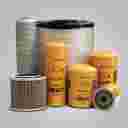
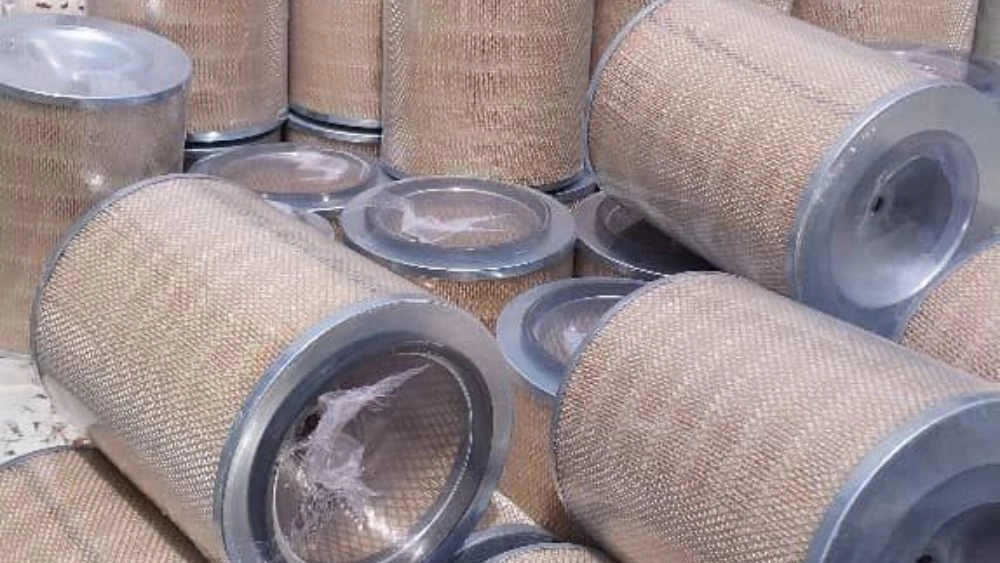
Types of industrial filters
New raw materials and technologies production
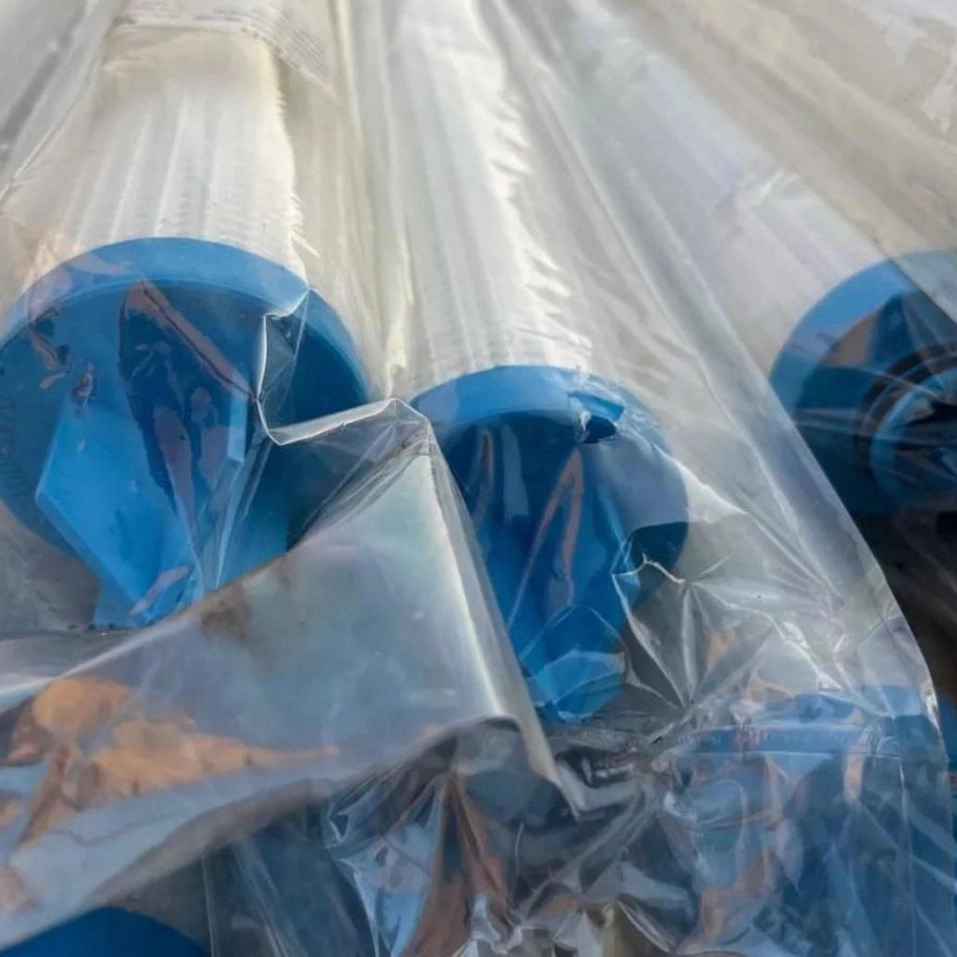
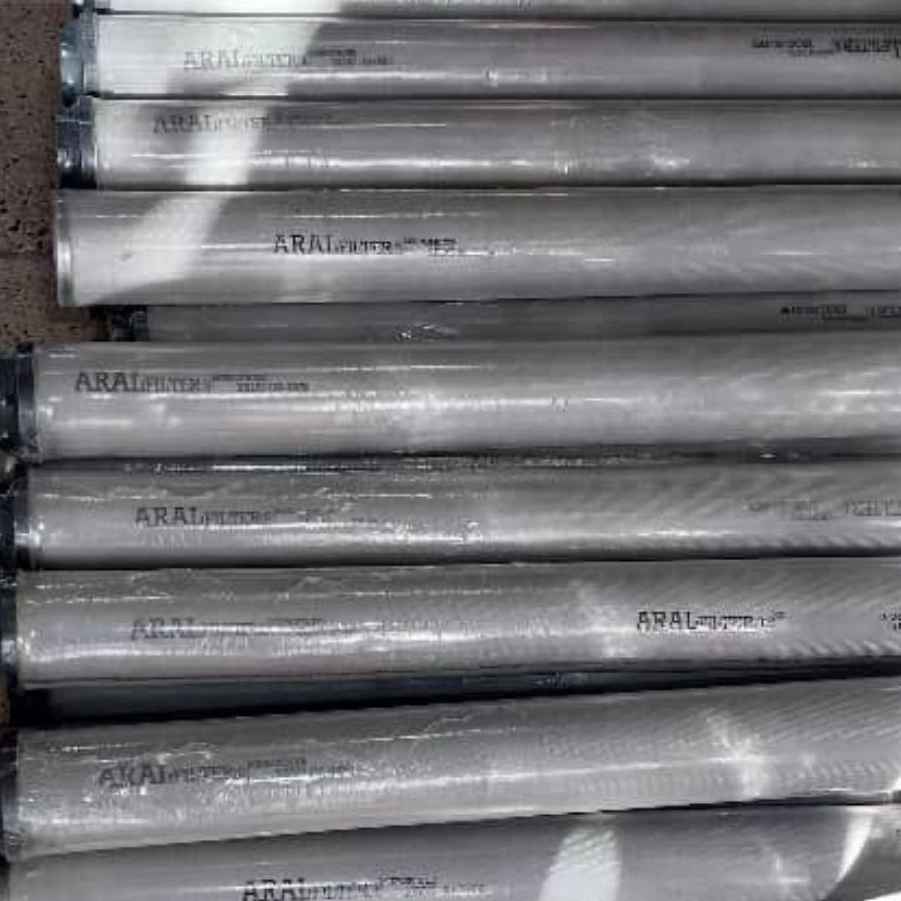
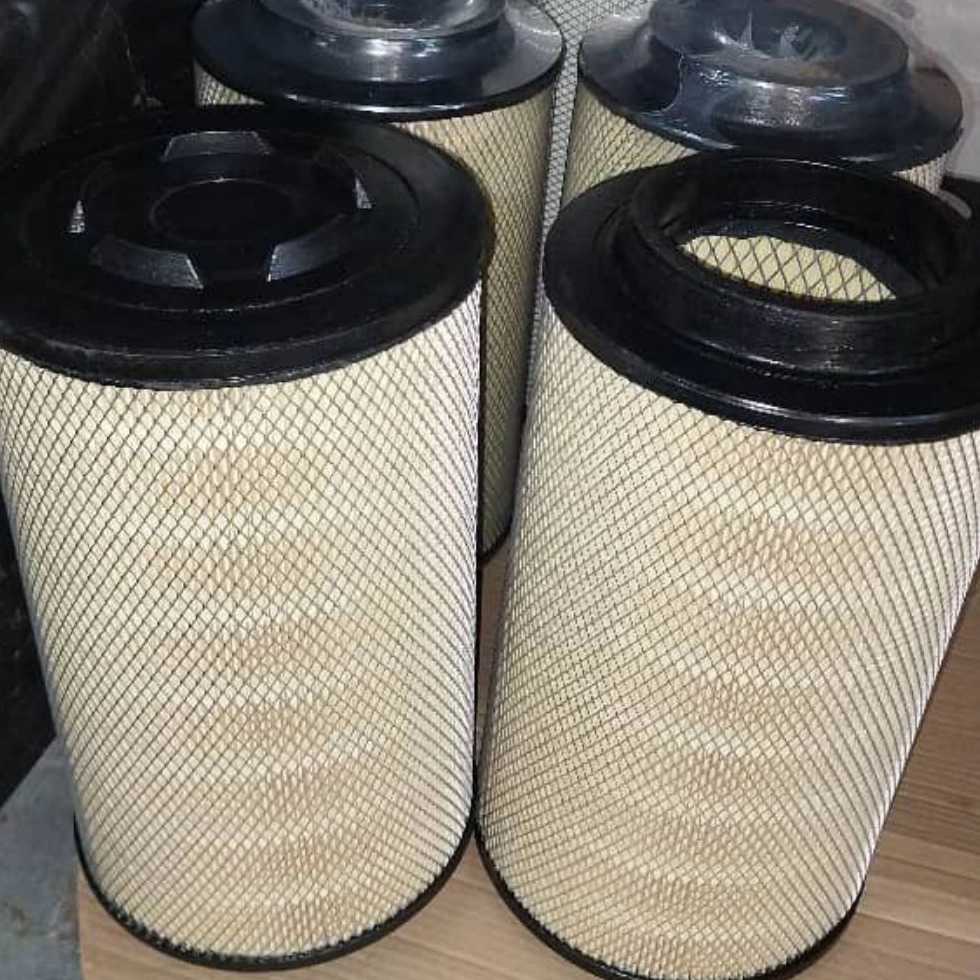
raw materials: selection of raw materials is very important based on the type of filter application. Common materials include polyester fibers, nylon, polypropylene, stainless steel, ceramic and carbon. Production Process: Depending on the type of filter, various methods are used, such as sewing and pressing for bag filters, molding and sintering for ceramic filters, and a layer rolling or screwing for cartridges. Nanotechnology: The use of nanomaterials and nanofiltration technology allows the separation of very small molecules and particles (below 100 nm) and increases the efficiency of the filters. Coating and Strengthening : To increase the durability and resistance of the filters, resin, epoxy or metal coatings are used to prevent corrosion and increased strength.
Quality Control and Filter Testing
Measurement of permeability: The amount of fluid passing through the filter is measured without too much pressure. Mechanical durability Test: Includes pressure, stretching and impact resistance. Chemical experiments: evaluation of filter resistance to corrosive materials and high temperatures. Particle Test : Checking the accuracy of filtration using standard particles and suspended particles measuring devices.
Industrial applications of filters
Oil and Gas Industry: Removal of suspended particles and pollutants from crude oil, gas and refineries to protect equipment and improve product quality. Pharmaceutical Industry: Sterile filtration of liquids and gases to prevent product contamination. Water Purification: Removal of particles, bacteria and chemicals from drinking water and industrial water. Food Industry: separation of solid particles in the processes of drinking drinks, oils and food products.
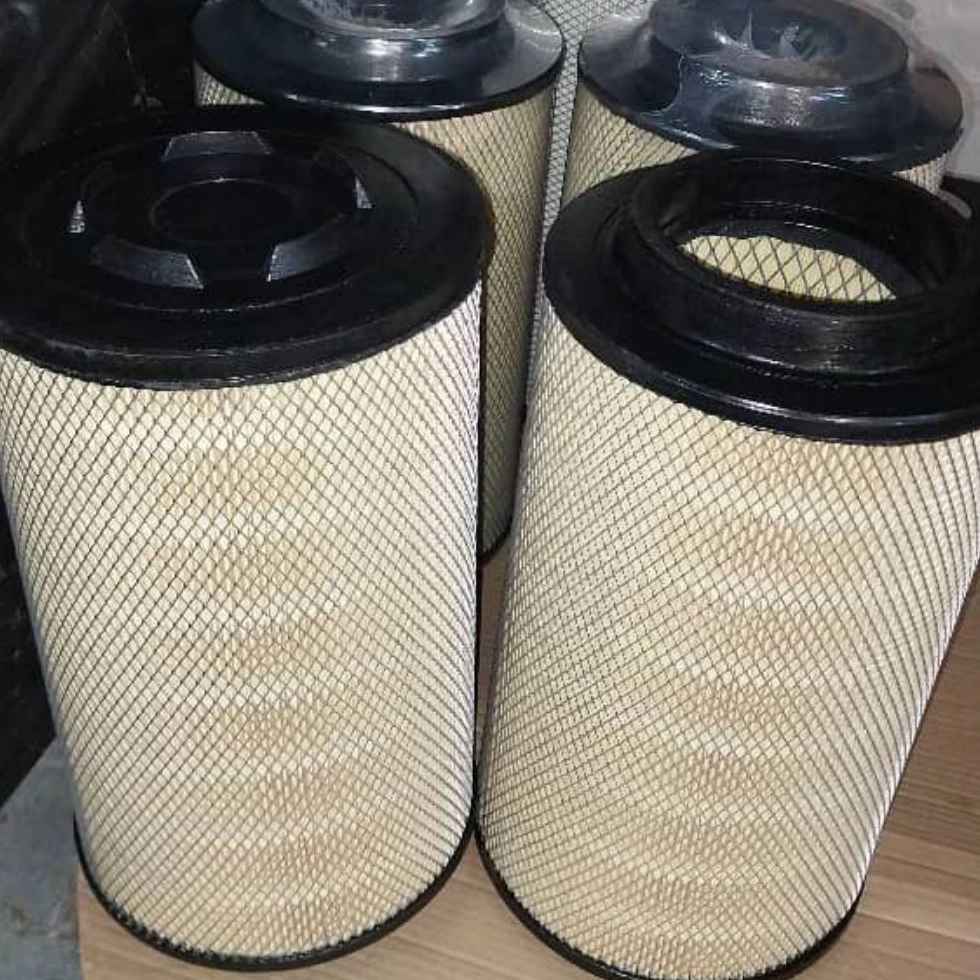
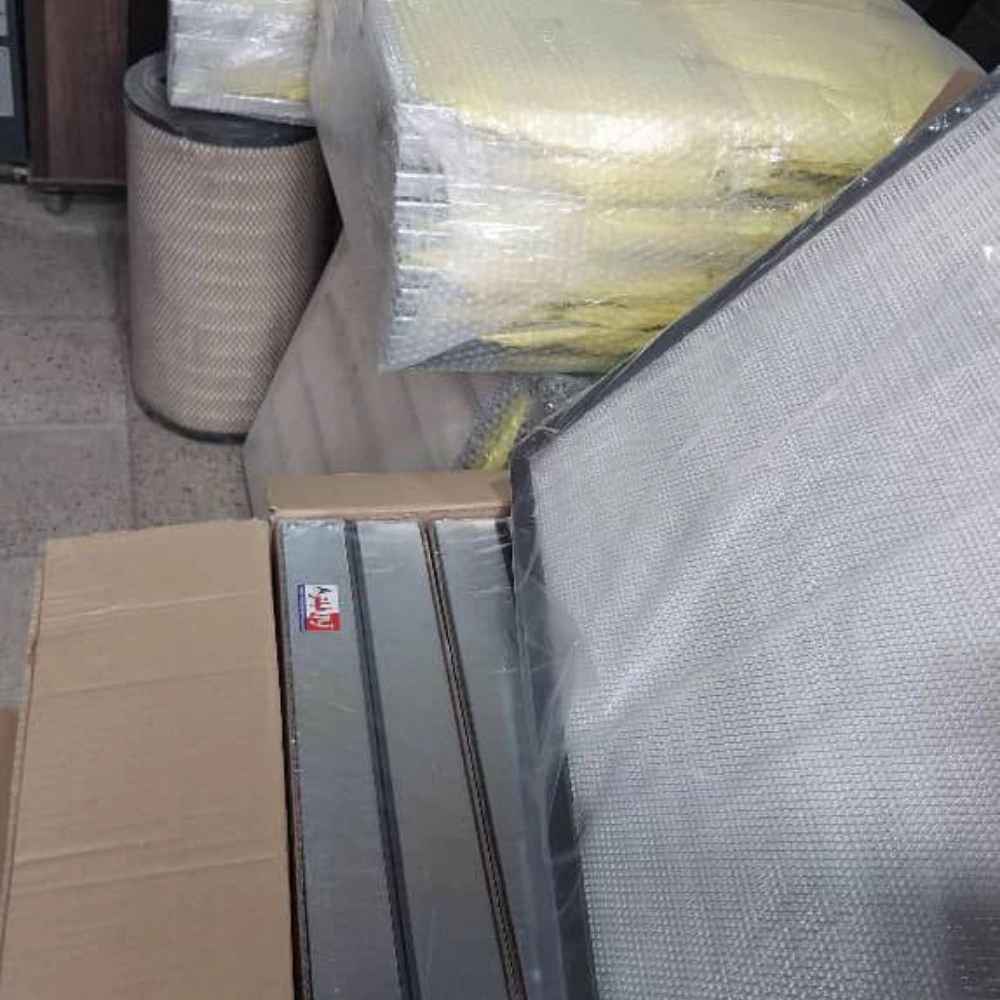

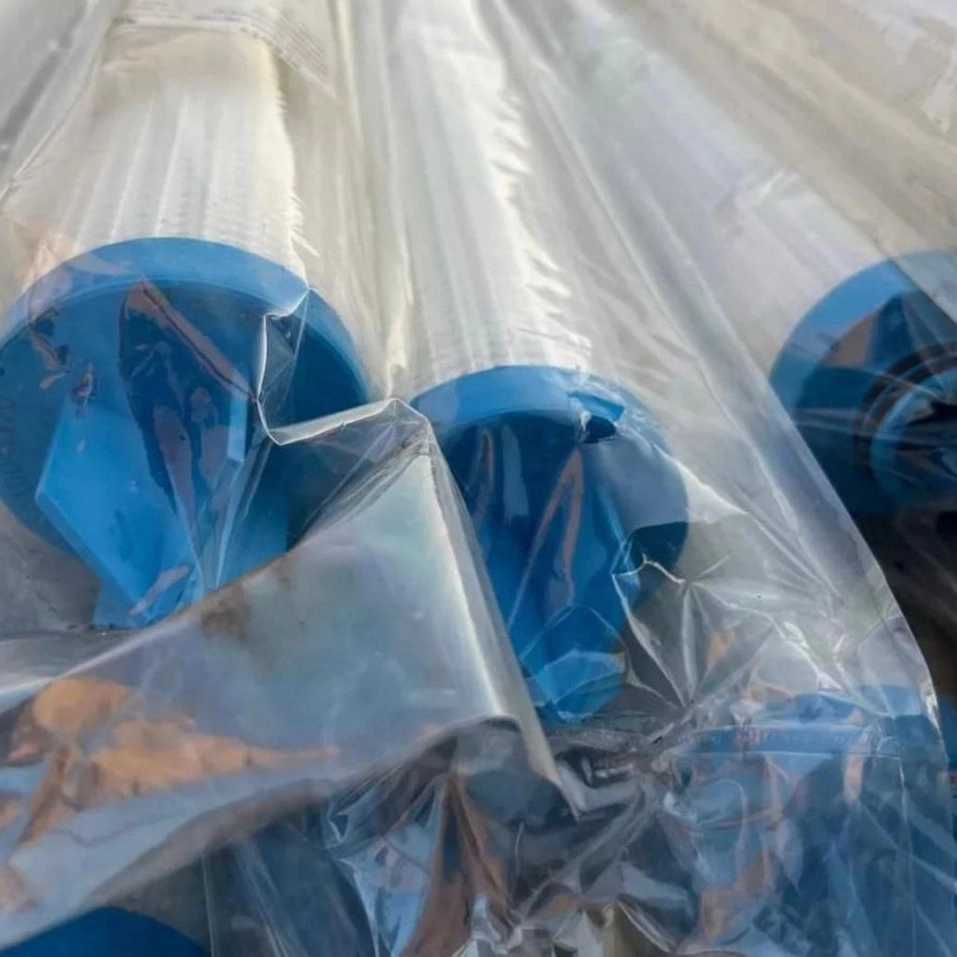
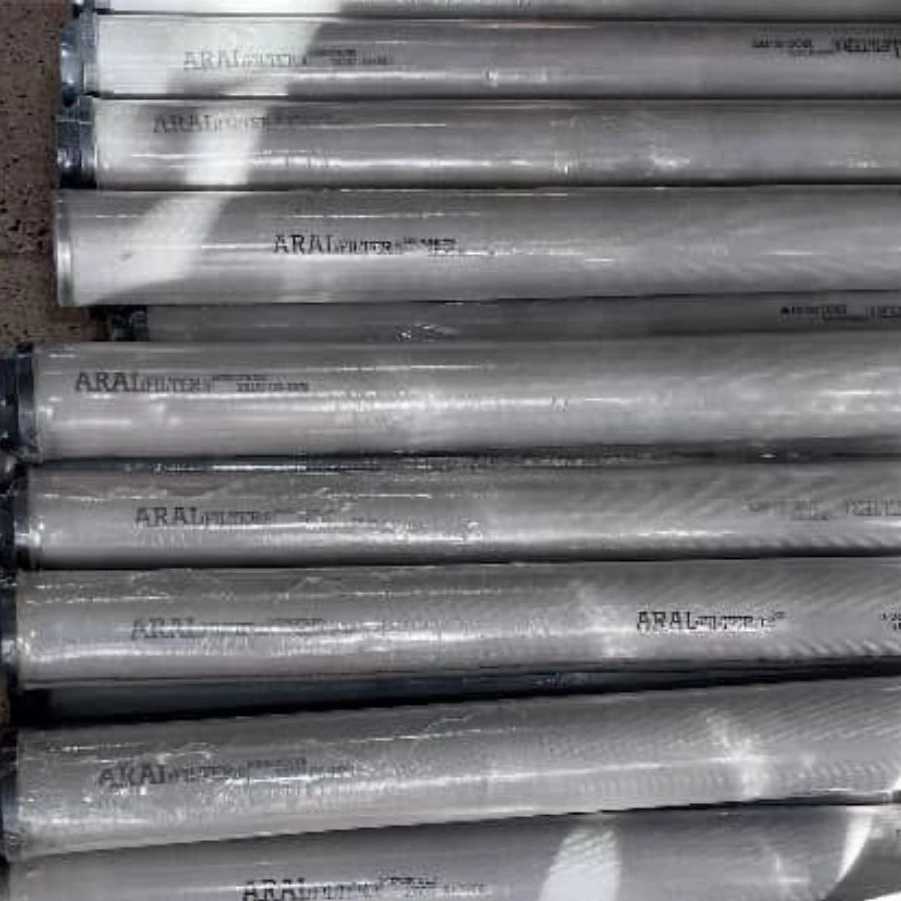
New trends and innovations
Smart Filters : Use sensors to monitor filter performance and information on replacement or service. Washing Filters : Designs that allow it to be reusable with washing and resuscitation. Use Recycled Materials : To reduce costs and protect the environment in filters production. Nanotechnology and Biofiltration : Development of filters that, in addition to physical separation, are capable of decomposing or absorbing biological and chemical pollutants.
Conclusion
The production of industrial filters is a complex and multidimensional field that requires expertise in materials engineering, production processes and applied sciences. With the advancement of technology, it is possible to produce higher performance filters, more durability and more optimal cost, which play an important role in different industrial development.